How to Prepare for Outdoor Rock Climbing in Maine (Gear, Weather & First-Time Tips)
Preparing for a day of outdoor rock climbing is about more than just showing up with gear. In Maine, conditions, terrain, and access all play a role in how your day unfolds.
Whether you’re climbing for the first time or transitioning from the gym to real rock, a little preparation goes a long way toward making your day safer and more enjoyable.
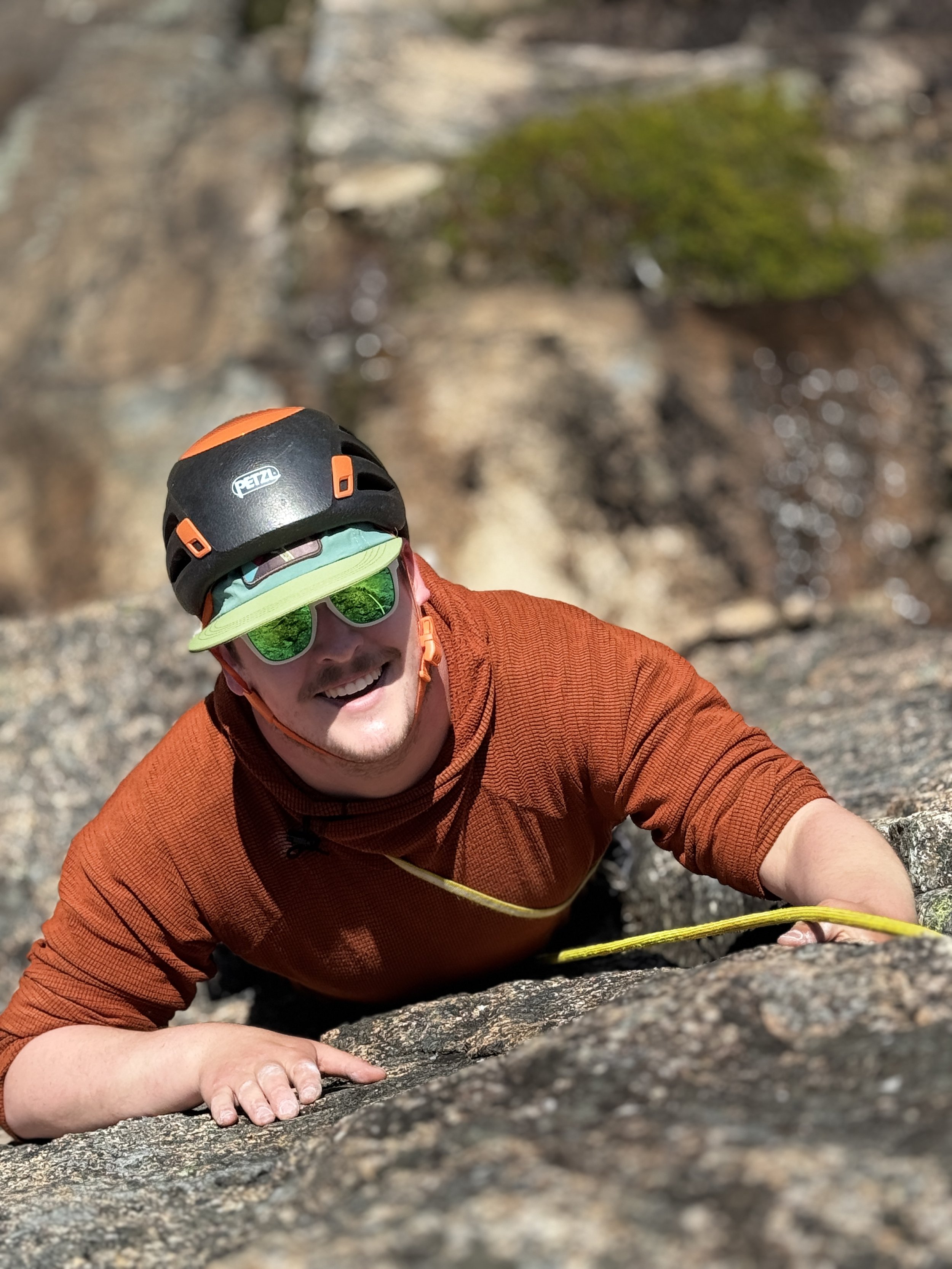
1. Understand Where You’re Climbing
Before heading out, it’s important to know what type of climbing area you’re visiting.
Climbing in Maine varies widely depending on location. Coastal areas like Acadia offer sea cliff climbing with exposure to wind and tides, while inland areas around Camden and Clifton provide more traditional crag environments.
If you’re planning a trip to the coast, it’s worth reviewing a full guide to climbing in Acadia National Park to understand access, conditions, and route styles.
Choosing the right area for your experience level is one of the most important parts of preparation.
2. Check Weather and Conditions Carefully
Maine weather can change quickly, especially near the coast.
Even on clear days, you may encounter:
Wind exposure on sea cliffs
Damp or humid rock conditions
Rapid temperature shifts
Before heading out, check:
Local forecasts (not just general Maine weather)
Wind conditions if climbing near the ocean
Recent rain, which can affect friction and safety
Having a backup plan—or choosing a more sheltered climbing area—can make a big difference.
3. Bring the Right Climbing Gear
At a minimum, outdoor climbing requires:
Helmet
Harness
Climbing shoes
Rope
Belay device and locking carabiner
Depending on the type of climbing, you may also need:
Trad gear (cams, nuts)
Quickdraws
Anchor materials
If you’re new to outdoor climbing, renting gear or climbing with a guide is often the best option. Many climbers transitioning from the gym underestimate how different outdoor systems can be.
If you’re unsure what you need, it’s often easier to start with a guided rock climbing experience in Maine, where all equipment is provided and set up properly.
4. Plan Your Routes and Timing
Outdoor climbing takes more time than indoor climbing.
Approach hikes, setting up anchors, and managing multiple pitches can all add up quickly. Planning your day in advance helps avoid rushing or running out of daylight.
Some key considerations:
Start early, especially in summer
Choose routes within your ability
Allow extra time for setup and transitions
In popular areas, early starts also help you avoid crowds and get the most out of your climbing day.
5. Prepare Physically and Mentally
Outdoor climbing often feels more committing than gym climbing.
You’ll encounter:
Less obvious holds
Variable rock quality
Greater exposure
Building basic strength and endurance helps, but mental preparation is just as important. Staying calm, moving deliberately, and trusting your systems are key to having a good experience.
If you’re new, starting on easier terrain or climbing with experienced partners can make a big difference.
6. Pack Food, Water, and Essentials
A full day outside requires more than just climbing gear.
Make sure to bring:
Plenty of water
High-energy snacks or meals
Layers for changing weather
Sunscreen and basic first aid
Even short climbing days can turn into long ones, especially if conditions change or routes take longer than expected.
7. Know Local Regulations and Access
Some climbing areas in Maine have seasonal or environmental restrictions.
For example:
Certain routes in Acadia may close due to peregrine falcon nesting
Parking and access points may vary by location
Leave No Trace practices are essential in all areas
Understanding these details ahead of time helps protect access and ensures a smoother day.
8. Consider Climbing With a Guide
If you’re new to outdoor climbing—or visiting a new area—working with a guide can significantly improve your experience.
A guide can:
Handle technical systems and safety
Choose appropriate routes
Help you progress more quickly
For many climbers, starting with a guided day is the fastest way to build confidence outdoors.
You can learn more about guided climbing in Acadia or explore options for climbing in other parts of Maine depending on your goals.
Ready for a Day of Outdoor Climbing?
Preparing for outdoor rock climbing doesn’t have to be complicated, but it does require attention to detail.
By choosing the right location, checking conditions, and bringing the proper gear, you’ll set yourself up for a safer and more enjoyable experience.
If you’re unsure where to start, exploring areas like Camden or planning a day of Acadia rock climbing with a guide is one of the best ways to experience what Maine has to offer.